
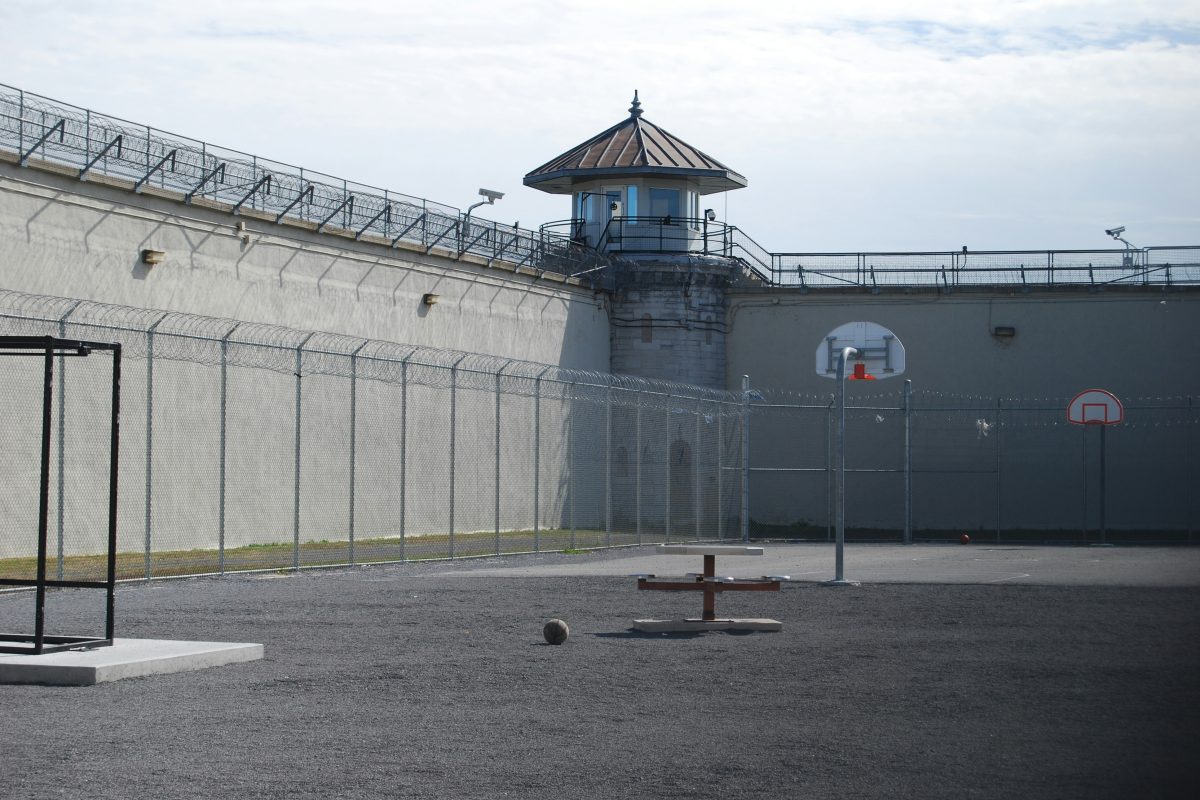
 © Larry Farr via Unsplash
The governor of the US state of Tennessee has granted a death row inmate a one-year reprieve. After all, an attempted execution by lethal injection had failed.
Officials assigned to carry out the execution of Tony Carruthers, sentenced to death for the murder of three people, could not find a suitable vein to give the lethal injection. Although a primary IV line could be quickly established, medical personnel failed to find a backup vein, as required by protocol. Attempts to insert a central IV also failed.
Carruthers' lawyers had asked federal and state courts to suspend the execution, arguing that the repeated attempts constituted cruel and unusual punishment.
Controversial sentencing
Carruthers, 57, was convicted of kidnapping and murdering three people in Memphis in 1994 and received the death penalty. His case has long been controversial: there was no physical evidence linking him to the crimes, and the conviction relied largely on testimony from witnesses who later claimed to have been paid informants. A co-defendant originally sentenced to death with him was later resentenced and released in 2015.
Carruthers' lawyers also argued that he's mentally incapable of being executed because he suffers from paranoid delusions and believes his own lawyers are conspiring against him.
More botched executions
The botched execution is not an isolated incident, CNN reported. In Idaho in 2024, officials made eight attempts to establish a drip before calling off the execution of Thomas Creech, after which the state made the firing squad the primary method of execution. Alabama also suspended executions for several months in 2022, following a failed attempt at lethal injection.
The Carruthers case plays out against the backdrop of a sharply rising number of executions in the United States. The number rose from 25 in 2024 to 47 in 2025, largely driven by Florida, which carried out 19 executions that year alone. So far in 2026, 13 people have been executed in four states and 11 more are awaiting "death row" for execution this year.
Tennessee resumes executions after three-year pause
Tennessee itself resumed executions last year after a three-year break. That pause came after revelations that the State had not properly tested lethal injection drugs for purity and potency. A subsequent independent investigation found that none of the drugs used in seven executions since 2018 had been fully tested. The State attorney general's office admitted that two officials responsible for overseeing the drugs had made false statements under oath about the testing procedures.
Illustration picture: © Larry Farr via Unsplash