
World
Society
Science
Weird & strange
Topical
Maastricht digs up possible bones of French musketeer d'Artagnan
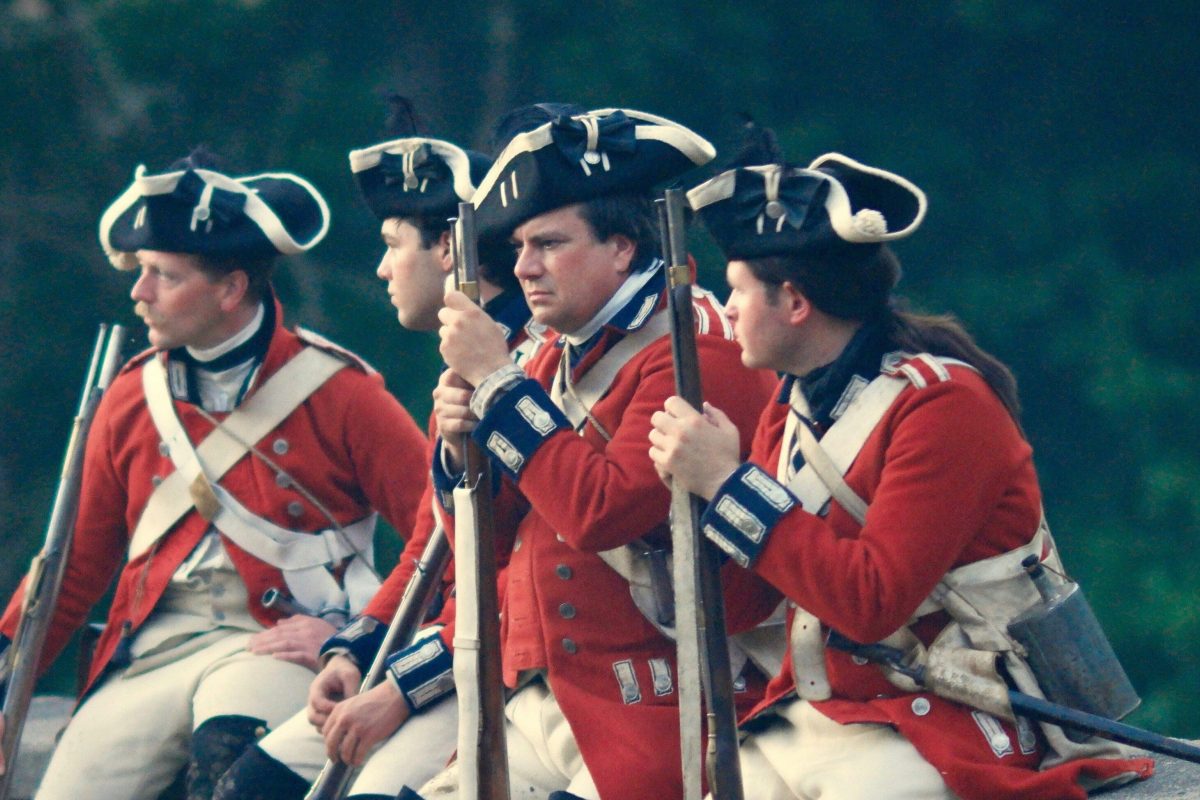 ©Matt Briney via Unsplash
Charles de Batz de Castelmore, Count of Artagnan, or simply d'Artagnan is a French musketeer of mythical status. He died at age 62 during the siege of Maastricht in the Disaster Year of 1673, hit by a musket ball in his throat. He led the attack and was considered France's bravest and best musketeer; only the king was above him.
Alexandre Dumas' famous novel greatly romanticized his life. The world-famous book is actually about four musketeers, not three. Recently, in the St. Peter and Paul church in Maastricht, his grave was possibly found. But the Maastricht municipality called the exhumation of bones that may have belonged to the French musketeer "illegal" because it was not licensed.
The discovery of the possible remains of d'Artagnan was accompanied by a firm conflict between the municipality and the archaeologist involved, Wim Dijkman, who is leading the research. In a letter on Friday, Maastricht wrote that it was "an illegal excavation" carried out earlier this year. This is because every intervention in the soil of a national monument requires a permit. A permit wasn't obtained for the church where the bones were found, reports the ANP.
The municipality also accuses retired archaeologist Dijkman of not adhering to current standards for archaeological excavations. According to them, this led to significant loss of informational value. Dijkman previously refused to hand over the bone remains he found and hid them because he had no faith in the municipal approach, which even led to him to being briefly detained.
DNA analysis should bring clarity
The municipality now took the lead and started an emergency excavation to gain as much information as possible and investigate whether the remains were indeed d'Artagnan's. The skeleton was discovered by chance during repair work in the church floor. Up until today, it remains unknown where D'Artagnan's grave site is.
The archaeologist had a DNA analysis performed on some bones at a research institute in Munich. The municipality now wants to merge the bone remains in Dijkman's hands with the rest of the skeleton found. That skeleton is being examined at the Saxion University of Applied Sciences in Deventer. The research results of the DNA analysis are not yet known.
©Matt Briney via Unsplash - Illustration image of a reenactment