
 ©picture alliance / CNP/AdMedia | CNP/AdMedia
US President Donald Trump announced on Thursday via a brief message on his platform Truth Social that the United States will send 5,000 additional troops to Poland.
This is a striking decision since Washington had previously reported that the planned deployment of 4,000 US military personnel to the country would be postponed. Moreover, the US had also already decided to withdraw about 5,000 military personnel from Germany, a move that followed statements which German Chancellor Friedrich Merz had made about the US-Israeli war against Iran. Among other things, Merz had stated at a school debate that the Iranian leadership "humiliates" the US. He also stated that the US has no exit strategy. The statements had rubbed Trump the wrong way. But now, the US president seems to have come around.
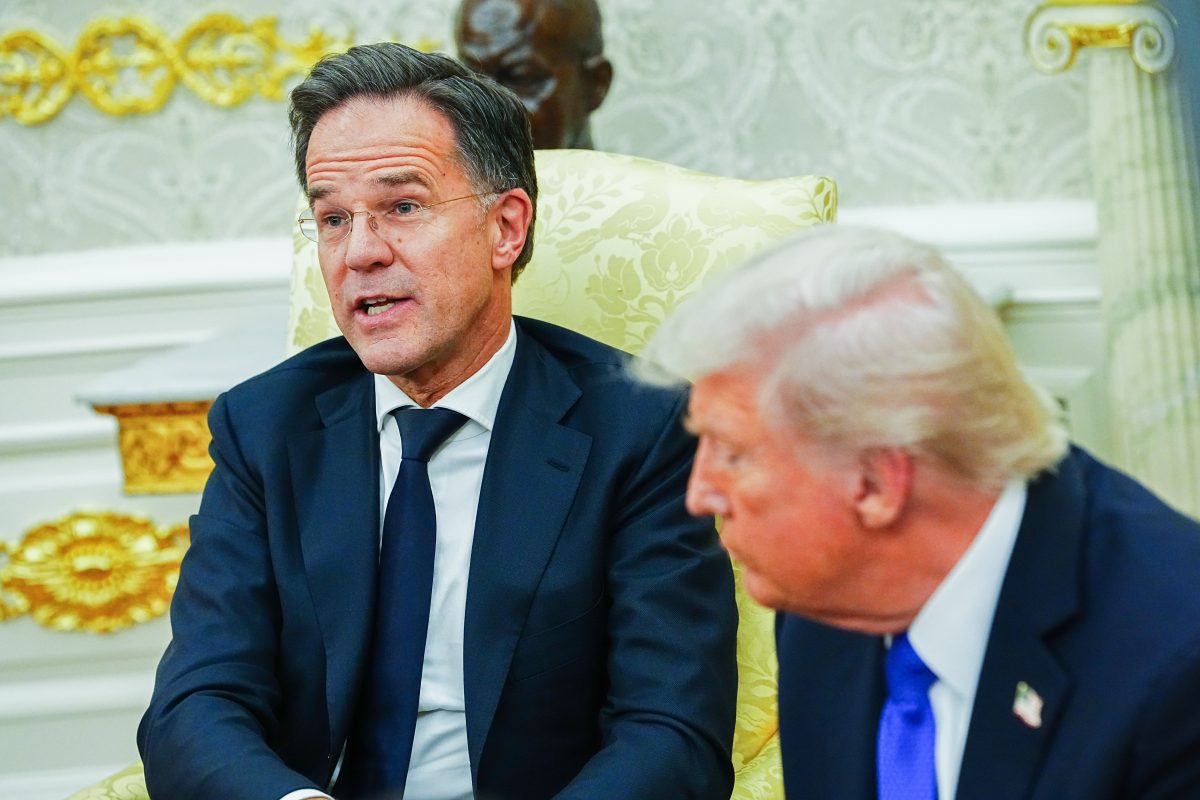
Mark Rutte, NATO's secretary general, enthusiastically reacted to Trump's quarter-turn. The water between Europe and the U.S. seems to have gotten a little shallower again.
Rutte therefore "welcomes" the U.S. decision to send additional troops to Poland. The Dutch politician did stress that this measure does not detract from the development in which European countries will become less dependent on the U.S. militarily. This was said by the NATO secretary general said on Friday in the Swedish city of Helsingborg, where the foreign ministers of the 32 NATO countries are meeting.
"Our military leaders are still working out all the details, but I welcome it, of course," the NATO chief said. But Rutte also points to the "trajectory" on which the alliance's member states are on. "Step by step, we will have to rely less on a single ally, as we did for a long time with the United States."
©picture alliance / CNP/AdMedia | CNP/AdMedia - Illustratiebeeld van Mark Rutte's bezoek aan het Witte Huis in 2025