
World
Society
Environment
Science
Weird & strange
Topical
A heat wave that was “virtually impossible” 50 years ago is currently hitting Western Europe harder than ever
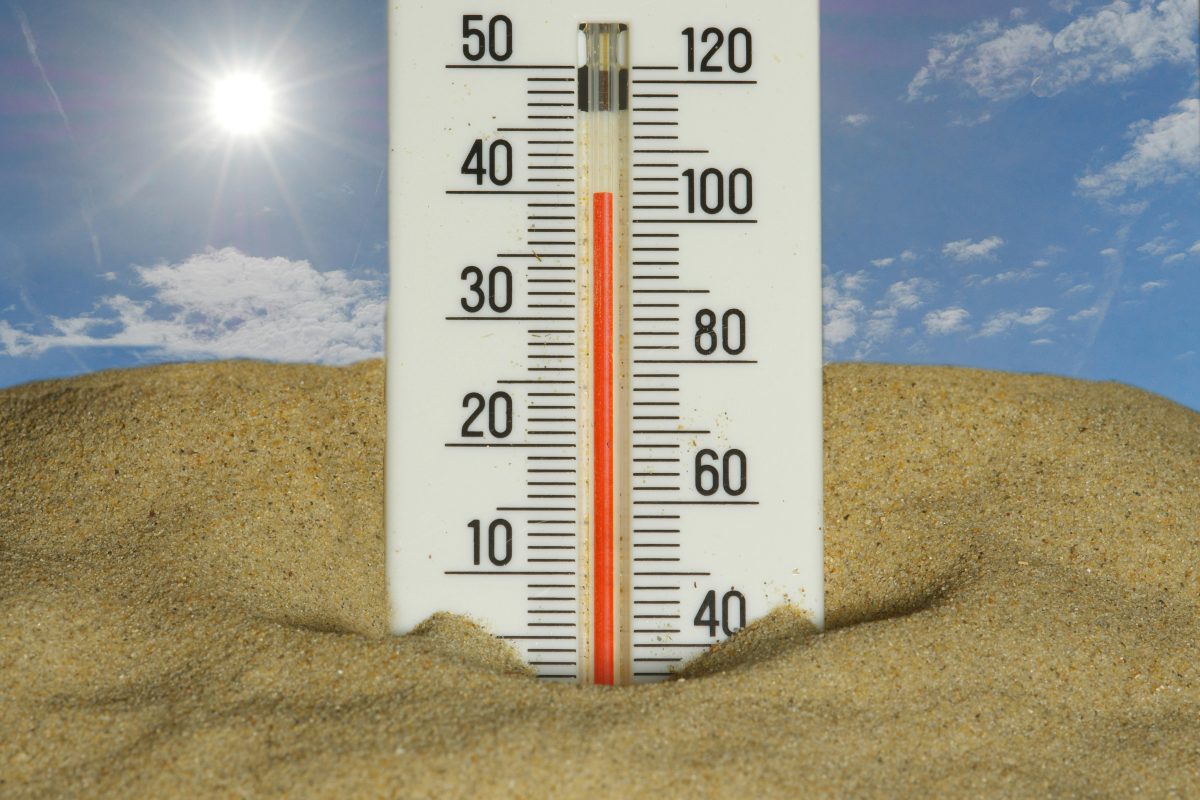 ©Immo Wegmann via Unsplash
This heat wave would have been virtually unthinkable fifty years ago. A new international study by World Weather Attribution concludes that the current heat in Western Europe would have been “virtually impossible” without climate change and that the likelihood of such extreme heat has increased significantly over the past few decades.
Heat dome over Western Europe
Western Europe is in the midst of a so-called heat dome: a persistent high-pressure system that traps warm air and amplifies it with additional solar radiation. According to meteorologists, the jet stream is currently meandering in such a way that warm air from Africa and the Azores is being pushed further north, while there is hardly any wind to blow that heat away.
This explains why France, in particular, is being hit hard, with local temperatures exceeding 40 degrees and the highest warning levels in several departments. Temperatures are also rising sharply in Spain and other parts of Europe, while the coast still offers some relief from the heat.
Record heat and risks
The WWA report describes the heat wave as the most severe ever recorded in Western Europe, in terms of both temperature and humidity. The researchers state that a comparable heat wave in 1976 would have been about 3.5 degrees cooler and that the likelihood of nighttime heat today is about 100 times greater than it was two decades ago. Across Europe, heat records are being shattered and heat waves are being observed.
Climate change as an amplifier
The report’s core message is clear: Climate change not only makes this kind of heat more likely, but also more intense. According to the researchers, global warming is the decisive factor behind the exceptional heat, while changes in the jet stream and the decreasing temperature differences between the equator and the polar regions are increasing the duration and persistence of heat waves.
These same dynamics also explain why Europe can experience alternating periods of prolonged dry heat followed by cold, wet spells. According to the scientists, the atmosphere appears to be increasingly locked into extreme patterns that persist longer than they used to.
The report’s main message is that “extreme” is now threatening to become the new normal. Whereas fifty years ago Western Europe remained on the safe side of this kind of heat, record-breaking temperatures are already being measured or expected on a widespread basis in dozens of European cities.
This heat wave is not an isolated natural phenomenon, but an example of how rapid warming is changing the rules of the game. According to the researchers, every additional degree of warming in the coming years could make such events even more severe and frequent.
©Immo Wegmann via Unsplash