
World
Society
Science
Weird & strange
Topical
Breakthrough: Daily pill doubles survival rate in deadliest form of cancer
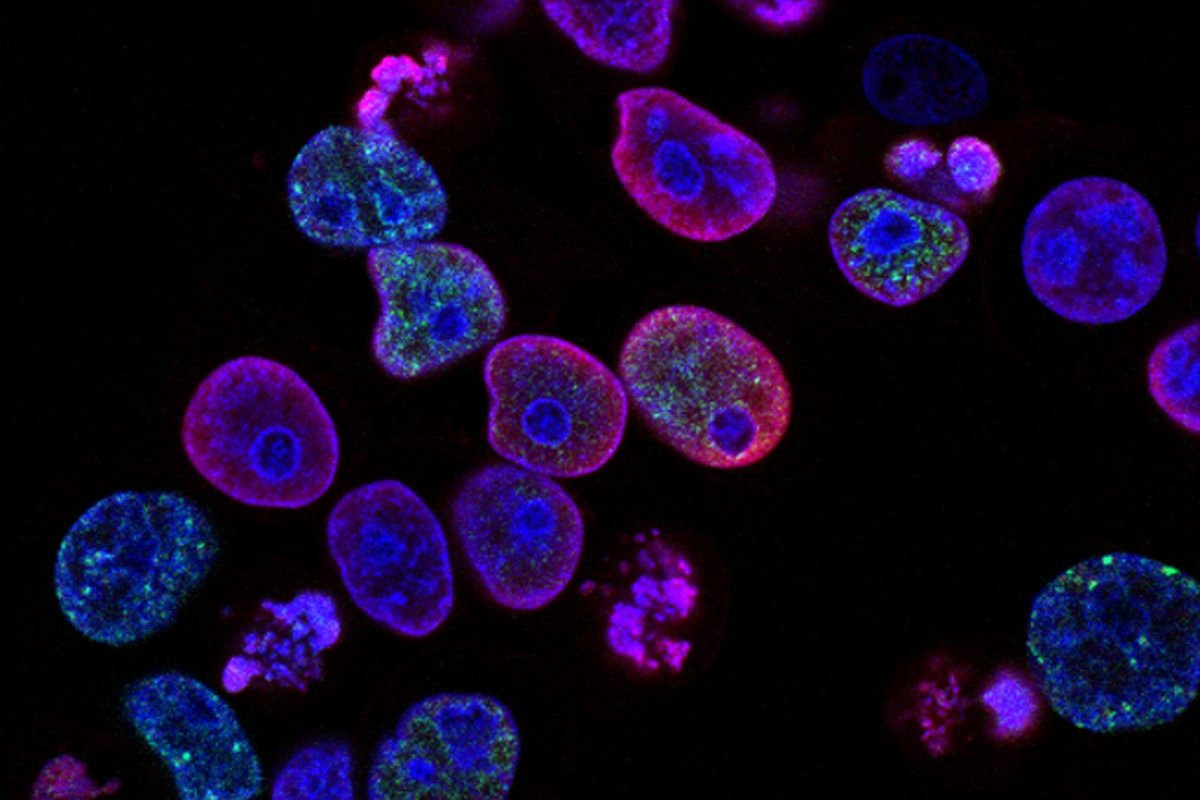 ©National Cancer Institute via Unsplash
A new pill called "daraxonrasib" has nearly doubled the survival rate of patients with metastatic pancreatic cancer in a large clinical trial. Cancer specialists call this a breakthrough that could fundamentally change the treatment of one of the deadliest cancers.
The groundbreaking results were presented at the annual meeting of the American Society of Clinical Oncology (ASCO) in Chicago. In the study, 500 patients with metastatic pancreatic cancer received daraxonrasib or a conventional chemotherapy approach. Patients who received the pill lived an average of 13.2 months, compared with 6.6 to 6.7 months for the chemotherapy group. In addition, fewer side effects occurred in the group taking the pill.
Pancreatic cancer
Pancreatic cancer is one of the most difficult cancer forms to treat. More than half of patients are not diagnosed until after the disease has already spread, and existing treatments are often of limited effectiveness. Therefore, this study is seen as one of the most important developments in decades.
Oncologist Rachna Shroff of the University of Arizona Cancer Center, who was not involved in the study, described the results as "unprecedented survival rates" and said she had to cry when she first read them. "This is an incredibly important study for our patients," Julie Gralow, ASCO medical director, called the study a "grand slam."
Daraxonrasib targets the protein Kras, which drives virtually all cases of pancreatic cancer. Indeed, more than 90 percent of patients with the most common form have a Kras gene abnormality. The drug turns off this protein, inhibiting cancer growth. Researchers say this proves that targeting Kras - for years the "holy grail" of cancer research - is possible and effective.
Patient organizations are responding with hope, stressing that it could give patients precious extra time with their families. The next challenge is to actually make the drug available. Because Kras also plays a role in lung and colon cancer, similar drugs for those conditions are also being investigated.
©National Cancer Institute via Unsplash