
 ©picture alliance / NurPhoto | Jonathan Raa
During the NATO summit in Ankara, Donald Trump once again caused tensions by stating that Greenland should be “under the control of the United States” rather than Denmark. In doing so, the U.S. president reignited a long-standing and highly sensitive issue, just as the alliance is already under pressure from discussions about defense spending, Iran, and the division of roles between Europe and the U.S.
Trump linked his remarks to the broader criticism he has long directed at NATO allies. According to him, Denmark does not provide sufficient protection for Greenland, even though he believes the island is strategically important to the United States due to its location between North America, Russia, and Europe. He also stated that the U.S. spends a lot of money supporting European allies and that Washington might withdraw its troops from Europe.
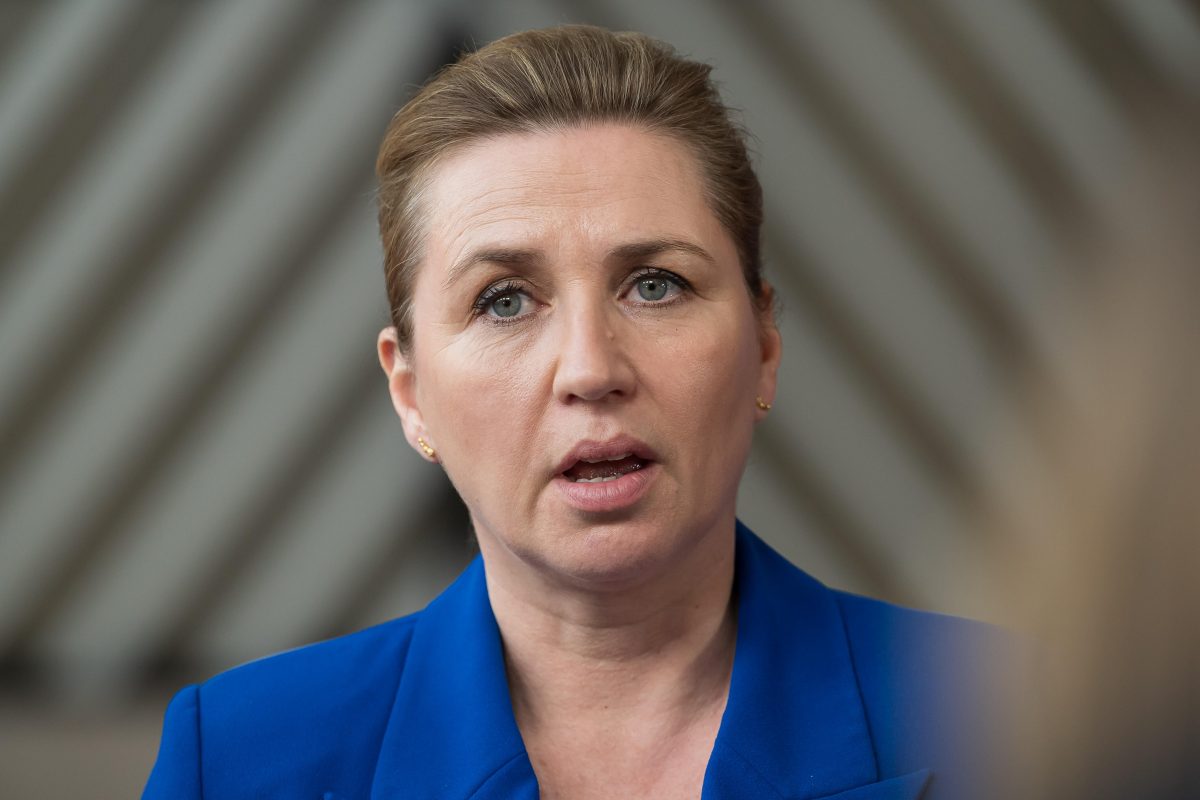
The Danish Prime Minister Mette Frederiksen responded sharply shortly afterward and reiterated that Greenland “is not for sale”. She emphasized that the island’s future lies with the Greenlanders themselves and that all allies must respect the right to self-determination. British officials also echoed this stance, pointing out that Greenland’s future is not determined by the U.S. president.
The issue of Greenland is, of course, not new. Trump has long been trying to pressure Denmark, which previously led to fierce reactions in Europe and also drew criticism at home. As recently as January, he threatened to apply economic pressure on allies—a move he later toned down but which further strained transatlantic relations. The renewed confrontation overshadows a NATO summit that was intended precisely to project an image of unity and strength. After all, in Ankara, the allies are trying to convince Donald Trump of their willingness to invest more in defense while preserving the alliance, but the Greenland issue shows just how fragile that balance remains. Meanwhile, Greenland itself remains the subject of a geopolitical struggle that extends far beyond the tone of the summit in Ankara. For NATO, the issue is primarily a test of internal solidarity, especially now that the alliance is also under pressure from war, trade conflicts, and U.S. demands on Europe.
©picture alliance / NurPhoto | Jonathan Raa