
World
Politics
End of the war: Iran sets 6 conditions, the Strait of Hormuz at the heart of blackmail
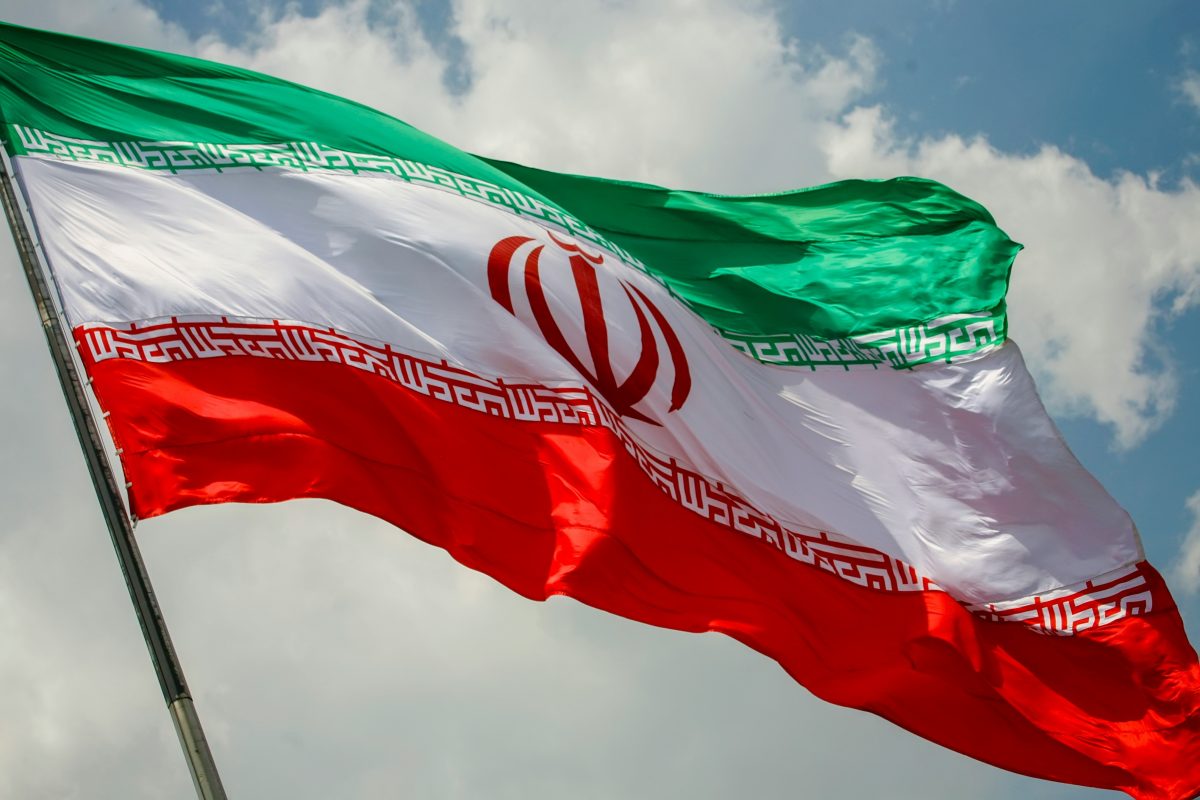 ©Akbar Nemati via Unsplash
Reopening the Strait of Hormuz within 48 hours or strikes on Iranian power plants: with this ultimatum, US President Donald Trump is 'responds' to the six conditions set by Iran for ending the war. Further proof that fossil fuels remain the 'problem' - and unfortunately, it concerns us all.
The day after the American-Israeli attack, Iran closed the Strait of Hormuz, the maritime corridor between the Persian Gulf and the Indian Ocean: 33 kilometers of sea capable of exposing the stability of world markets to a new energy storm.
Every day, around a quarter of the world's oil and a fifth of its liquefied natural gas pass through this strait: millions of barrels and huge quantities of gas that supply industry, power stations, transport and domestic heating. It's an essential export route for the main Gulf producers - Saudi Arabia, Iraq, the Emirates and Qatar - as well as for Iran itself.
Blocking it means a drastic reduction in the world's energy supply. And when supply is reduced, prices soar: oil and gas surged in the first hours after the announcement, with immediate repercussions on the daily expenses of each and every one of us.
Since February 28, the day of the first attack, traffic has plummeted by 81% compared with the start of the year, from 10.3 million gross tonnes a day to around one million. On March 2, the Revolutionary Guards officially confirmed the closure, threatening to strike any ships in transit.
On March 6, Teheran had announced a partial reopening, but with conditions that rendered it ineffective: ships linked to the USA and Israel remain excluded to this day, and the markets have not reacted. In view of the situation, insurance companies are maintaining their freeze on war risk cover, and without insurance, no shipowner is venturing into this corridor. Actual traffic is therefore stagnating at 1% of normal.
Iran's six conditions for ending the war
At a time when the world is watching Iranian missiles being launched at much longer ranges than ever imagined, the Ayatollahs' regime has set six conditions for ending the conflict. As reported by Tasnim, the semi-official Iranian news agency (close to the Revolutionary Guards), a security official told the Al Mayadeen media:
- guarantee of non-repetition of the war
- closure of US military bases in the region
- recognition of aggression and payment of compensation to Iran
- an end to the war on all regional fronts
- establishment of a new legal regime for the Strait of Hormuz
- prosecution and extradition of anti-Iranian media leaders.
The same official made it clear, however, that the plan would be implemented in stages, and that no imminent ceasefire was envisaged in view of developments on the ground.
And if all these conditions sound more like a capitulation than an agreement, it's around the Strait that the game is still being played. U.S. President Donald Trump has issued an ultimatum aimed precisely at these famous - and crucial - 33 kilometers of sea.
The US ultimatum
"If Iran does not completely reopen, without threats, the Strait of Hormuz within 48 hours from now, the United States of America will strike and destroy its various power plants, starting with the largest! Thank you for your attention," writes Donald Trump on Truth Social, leaving little hope of an agreement.
Wars are always fought over fossil fuels
As in Ukraine, this too is a war of, and for, fossil fuels. The day after the Russian attack on Ukraine (February 24, 2022), we realized (perhaps a little too late) that our daily lives depended entirely on gas and oil.
Svitlana Krakovska, a leading Ukrainian climatologist, described the conflict as a "fossil fuel war". This expert, co-author of the IPCC's 2022 report, had highlighted the human, economic and geopolitical catastrophe linked to fossil fuels. According to this document, around half the world's population is now extremely vulnerable to disasters induced by these energy sources, with Russian military power underpinned by wealth derived from the country's vast oil and gas reserves.
"I started thinking about the parallels between climate change and this war," the expert confided to The Guardian,"and it's clear that the root of both threats to humanity lies in fossil fuels. Burning oil, gas and coal causes warming and impacts that we have to adapt to. And Russia sells these resources and uses the money to buy weapons. Other countries depend on it, and they're not freeing themselves from it. It's a fossil fuel war. It's obvious that we can't go on living like this, it will destroy our civilization."
It is now 2026 and nothing has changed.
Sources : Tasnim / Donald Trump / Truth
(©GreenMe.it 2026/Managing editor: Selma Keshkire - The Press Junction/Picture: Akbar Nemati via Unsplash)