
 ©picture alliance / Anadolu | UK Ministry of Defense / Handout
A British man who was traveling on the cruise ship MV Hondius has tested positive for hantavirus. This was reported by the World Health Organization (WHO).
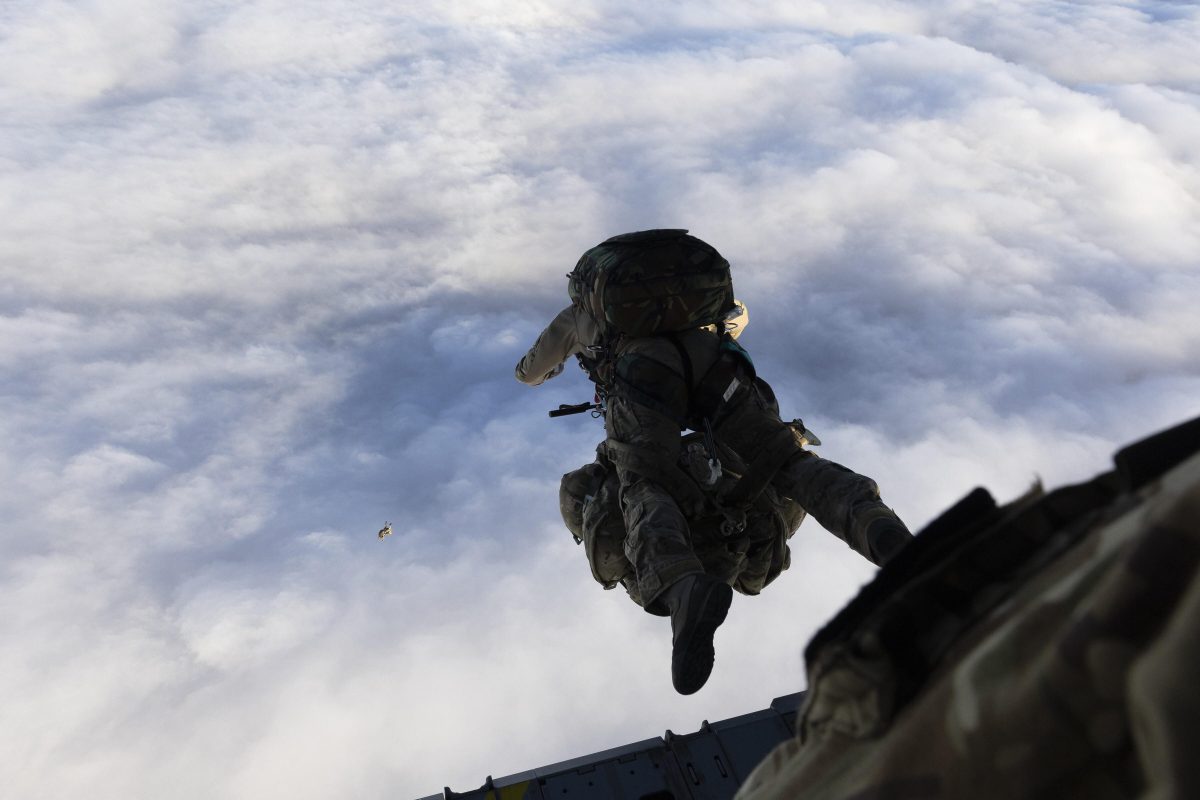
The testing was certainly no routine task and did not proceed as usual. After all, the British military had to drop paratroopers with a medical team on Tristan da Cunha to test the man.
Tristan da Cunha is located in the middle of the South Atlantic Ocean and is the world’s most remote inhabited island, with only 221 residents.
The man left the cruise ship—where the hantavirus had broken out—in mid-April and traveled back to his home on the island. There, however, he began to show symptoms of the virus.
Because local medical care was insufficient, the British military intervened. A Royal Air Force plane took off from Ascension Island, approximately 3,000 kilometers to the north, and dropped the medical personnel by parachute.
After testing, the man was indeed found to have the hantavirus. This was confirmed by World Health Organization Director-General Tedros Adhanom Ghebreyesus.
Since the outbreak on the Dutch cruise ship MV Hondius, 13 people have tested positive, including three passengers who have died. There have been no new fatalities since May 2.
The WHO has assessed the overall risk to the general public as low, but recommends active health monitoring for all evacuated passengers for a period of 42 days from their last exposure.
Following the outbreak on the ship, there were brief fears that the virus could spread worldwide. Fortunately, that scenario did not materialize.
©picture alliance / Anadolu | UK Ministry of Defense / Handout