
World
Society
Environment
Science
Weird & strange
Topical
Heat causes ice on Swiss glaciers to melt at record speed
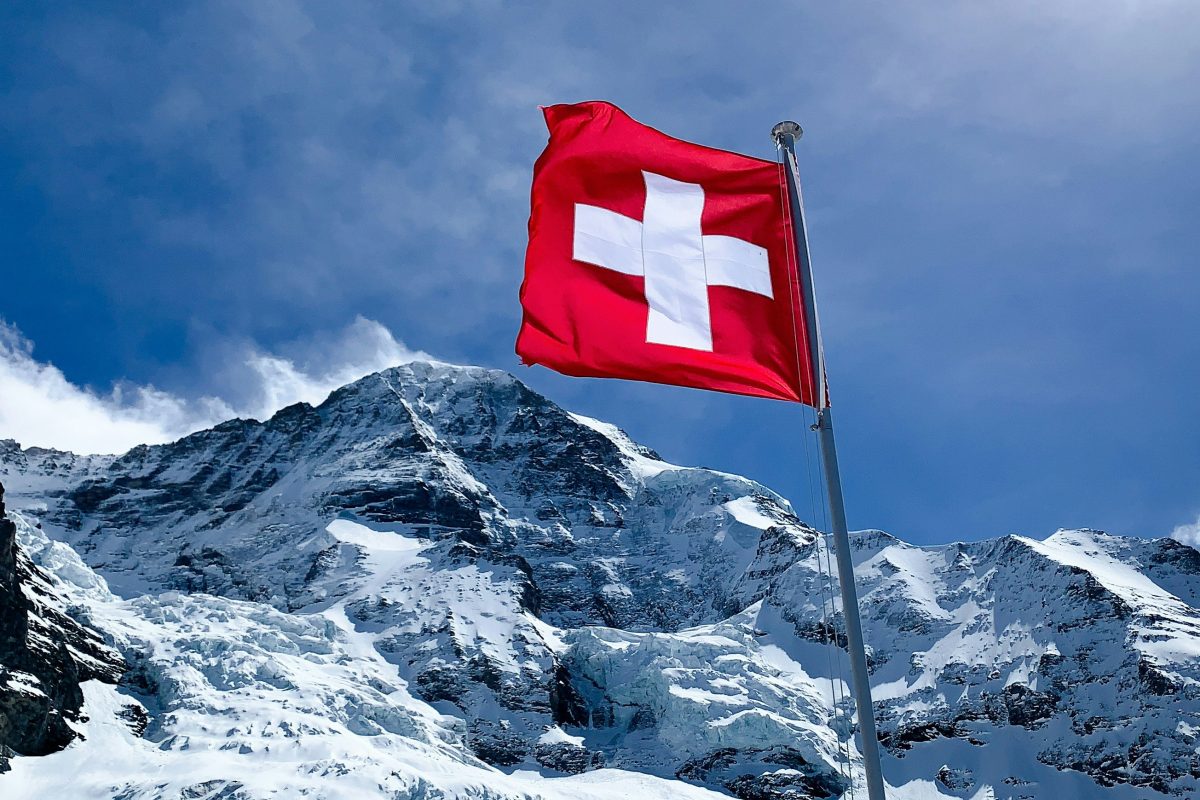 ©Ronnie Schmutz via Unsplash
Swiss glaciers are once again losing ice at an alarming rate this year, due to the ongoing heat wave in Europe. According to Glacier Monitoring in Switzerland (GLAMOS), the snow and ice cover that built up last winter will have completely melted away by Monday. This means that the so-called “glacier loss day” will once again occur exceptionally early.
Normally, the tipping point isn’t reached until mid-August. Since 2000, it has only occurred earlier once, in 2022, on June 26. GLAMOS director Matthias Huss says he is seeing “enormous” melting throughout the Alps, with high figures for both ice and snow loss.
According to him, the situation is the result of a combination of factors. Not only the current heat wave, but also the warm month of May and a winter with little snow have weakened the glaciers. Huss noted that on the Rhône Glacier, about one meter of ice disappeared in just ten days, illustrating just how rapidly the process is unfolding.
According to the glaciologist, the problem is therefore not a single heat wave, but primarily the prolonged period of warm weather. As soon as the white snow cover disappears, the dark ice is exposed. This absorbs more solar radiation, further accelerating the melting process.
Moreover, the impact of the melting extends beyond the mountains themselves. Major rivers such as the Rhine and the Rhône are partly fed by meltwater from the Alps. Swiss glaciers began retreating about 170 years ago, but the rate has accelerated significantly in recent decades due to global warming.
According to GLAMOS, Switzerland has already lost 38 percent of its total glacier volume between 2000 and 2024, and the ice from 1,200 smaller glaciers has disappeared over the past fifty years. If global warming continues, by 2100 only small remnants of ice may remain.
©Ronnie Schmutz via Unsplash - illustrative image