
 © picture alliance / dpa | Vincent Isore
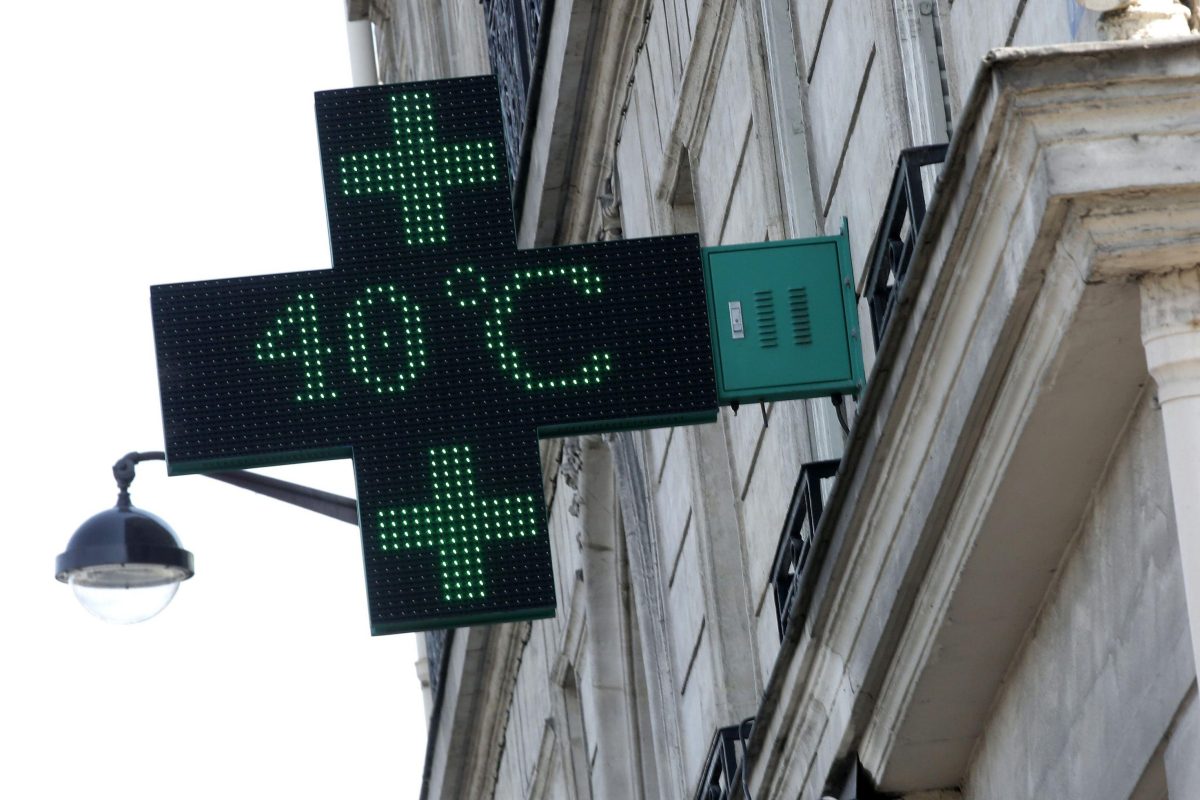
Temperatures are set to soar in the coming days, and recent figures released by the United Nations last week demonstrate that heat waves can have serious consequences.
According to the World Health Organization (WHO), Europe is one of the regions in the world hardest hit by global warming. Global warming manifests itself, among other things, in frequent heat waves, with serious health consequences. During the 2003 heat wave, more than 70,000 excess deaths were recorded in Europe.
“Europe is warming faster than any other continent, and that is costing us lives. This must stop. Heat is a silent killer, but something can be done about it,” said Dr. Hans Henri P. Kluge, WHO Regional Director for Europe, in a press release.
Between 2020 and 2024, most premature deaths due to extreme heat occurred in Italy, followed by Spain, Germany, and Greece. Greece recorded the highest number of heat-related deaths per million inhabitants. In Germany, the Robert Koch Institute recorded 2,500 heat-related deaths last year.
Globally, approximately 489,000 heat-related deaths were recorded annually between 2000 and 2019, according to a study published in The Lancet. Heat significantly exacerbates cardiovascular diseases. Urbanization and the growing proportion of older adults and people with underlying health conditions increase the threat to public health.
The WHO has published new guidelines for heat and health action plans. These provide a scientific framework for organizing protective measures. These recommendations include eight key elements: improving warning systems, risk communication, greening cities, setting up cooling centers, ensuring hydration for older adults, flexible work schedules for employees, and providing adequate individual care in healthcare facilities during heat waves.
Picture: © picture alliance / dpa | Vincent Isore