
World
Politics
Normal shipping in the Strait of Hormuz will not resume until 80 mines have been cleared
 © picture alliance / Anadolu | Shady Alassar
Normal shipping through the Strait of Hormuz will not resume until approximately 80 mines—laid by Iran in the middle of the strait during the conflict—have been cleared. This was stated by Intertanko, the association of independent tanker owners, in the British newspaper The Guardian.
According to Intertanko, the main route through the center of the strait remains closed and dangerous. Phil Belcher, maritime director at Intertanko, describes the situation in the newspaper as “a highway where the center lane is closed and you have to use the shoulder.”
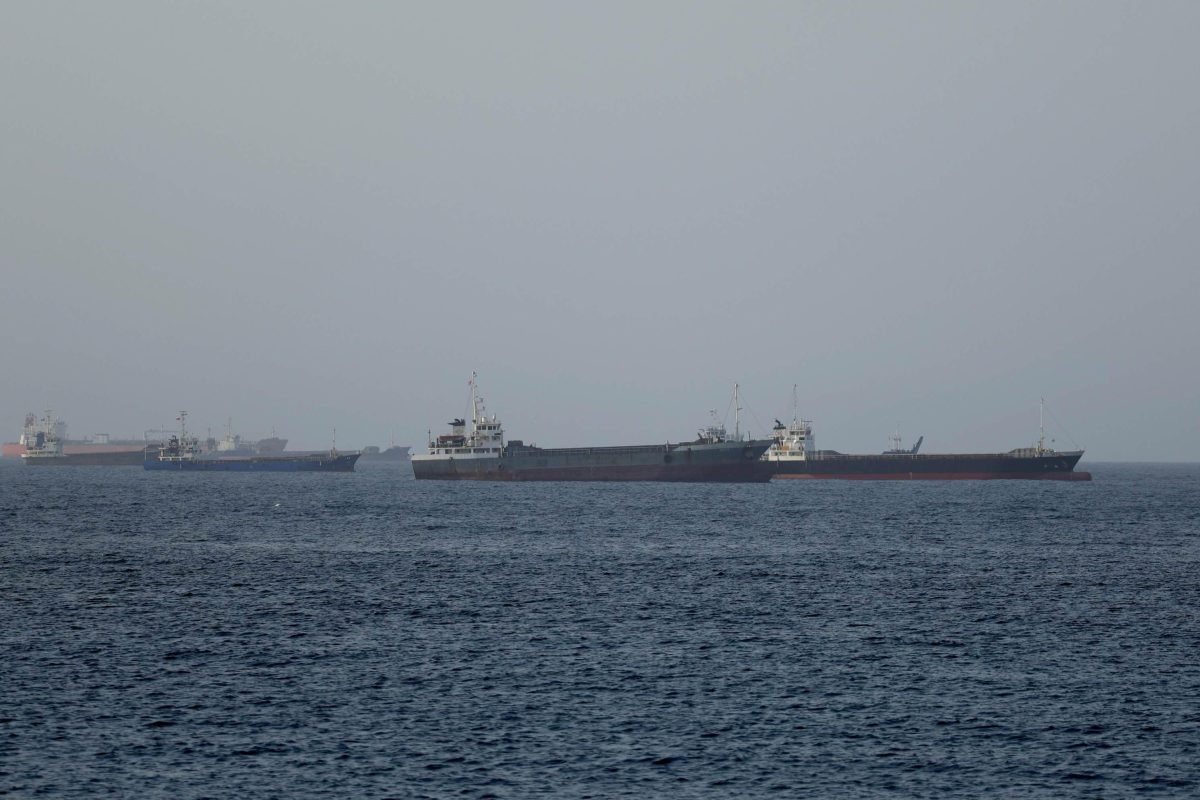
The mines were laid in the traffic separation zone that has been in effect between Iran and Oman since 1968 to restrict tanker traffic. The consequences of the closure of this key route for global trade are severe: since February, approximately 600 ships have remained anchored in the Gulf, and about 20,000 seafarers are stranded on either side of the strait.
Under normal circumstances, the strait handles about 130 ships daily, carrying 20% of the world’s oil supply. The shipping industry is warning of an increased risk of collisions due to “signal interference” caused by Iran, which is disrupting the navigation and positioning systems of ships.
Richard Meade, editor-in-chief at Lloyd’s List, stated that “we are in uncharted territory” and does not expect shipping to return to normal operations this year. Even if the ceasefire holds, approximately 10% of global container shipping capacity remains affected, and freight rates are skyrocketing.
The memorandum between the U.S. and Iran requires Iran to guarantee toll-free passage for at least 60 days, with a full restoration of shipping traffic within 30 days. Tehran, however, plans to impose tolls after this period, even though such tolls are illegal under international law. The shipping industry fears that Iran’s tolls could set a precedent for other major maritime channels, such as the Strait of Malacca and the Taiwan Strait.
Picture: © picture alliance / Anadolu | Shady Alassar