
World
Society
Science
Weird & strange
Topical
‘Pokémon Go players may have unknowingly trained military drones’
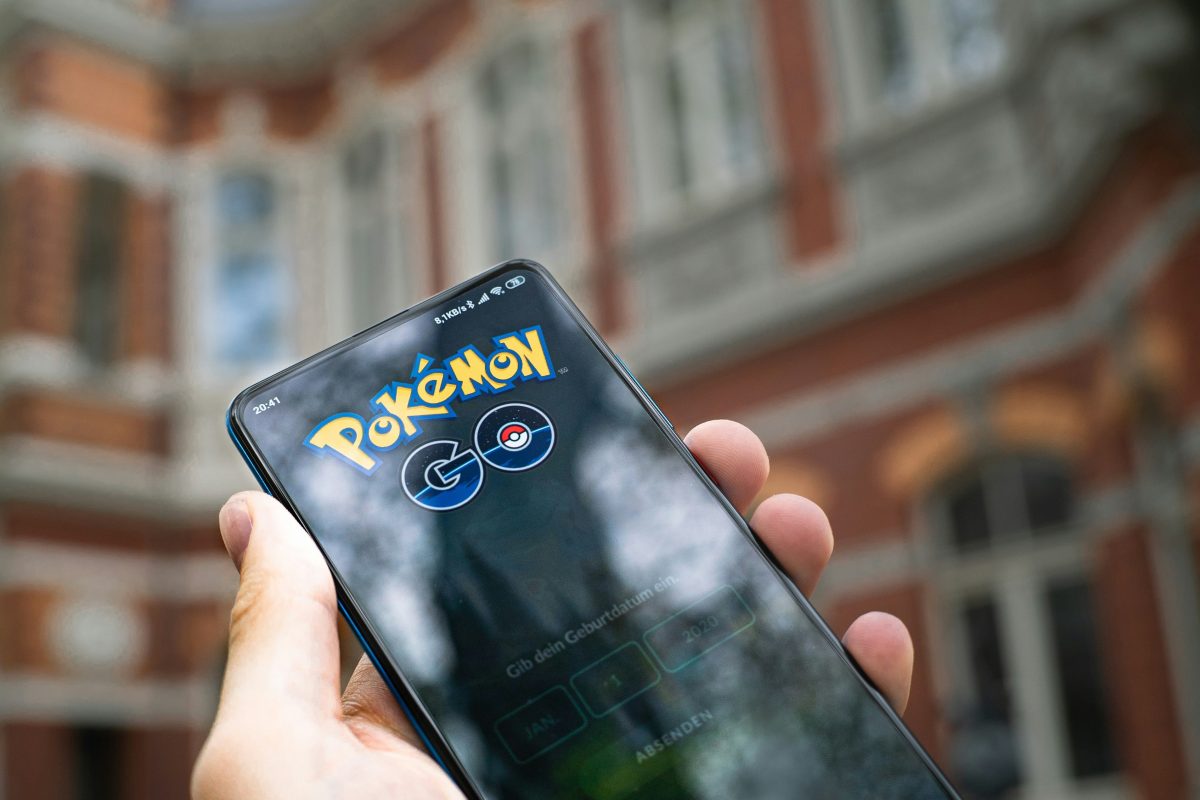 ©Mika Baumeister via Unsplash
Catching Pokémon in your neighborhood? You may have accidentally helped build better military drones.
Heading out “into the real world” to catch virtual creatures that are projected onto your smartphone using your GPS location, camera, and augmented reality. That, in a nutshell, is the concept behind Pokémon Go. The game was released to Pokémon fans ten years ago and, at one point, was incredibly popular all over the world. It’s still played today, though significantly less so than at its peak.
Tens of billions of images
The game turns out not to be as innocent as it seems at first glance. For example, it was already known that delivery robots were being trained using the game. After all, while playing Pokémon Go, your camera captures images of your surroundings—images that developer Niantic stored in a database containing tens of billions of images. Based on those images, a “visual positioning system” was developed that can determine a location with an accuracy of a few centimeters without relying on GPS satellites. And now, it turns out that military drones also benefited from the many kilometers players covered to catch Pokémon.
In 2021, the game introduced a feature called “PokéStops,” where players received rewards by scanning real-world locations with their devices. Users had to log in and upload the scans. Niantic collected this data before selling its gaming division in 2025.
In December 2025, Niantic announced a partnership with Vantor, a company specializing in spatial detection software for (military) drones. In February 2026, Vantor signed a deal with the U.S. Army for training software. The partnership between Niantic and Vantor helps drones navigate and coordinate accurately in areas without a GPS signal, resolving a critical vulnerability in modern operations: GPS unavailability, interference, and jamming.
Both companies stated that no “ground scans” from the game were provided to Vantor. However, scans from Pokémon GO were used to train Niantic’s base models, and those models were shared with Vantor. The scans were voluntarily submitted by players who had signed up and are subject to the terms of service and privacy policy in effect at the time.
©Mika Baumeister via Unsplash