
 ©picture alliance / Russian Look | Kremlin Pool
According to a new report by the British think tank IISS, Russia has been spying on Europe with drones for a year and a half. It may have done so with the help of ships from its shadow fleet. The British think tank documented 144 suspicious incidents in more than a dozen European countries between August 2024 and February 2026 and states that the campaign put the air defenses of NATO countries to the test.
Wave of reports
Most reports occurred in 2025, with peaks in the fall, when temporary disruptions occurred at airports and military sites in several countries. Germany had by far the most incidents, but Belgium, the Netherlands, France, Denmark, and the UK were also frequently mentioned. According to the researchers, these are not isolated, random sightings. Instead, the report identifies a recurring pattern of drones near sensitive infrastructure, ranging from air force bases to nuclear facilities.
Shadow fleet as a springboard
A key element in the report is the alleged role of Russian ships with unclear ownership structures. Drones were reportedly launched from tankers and cargo ships sailing close to European coasts or even positioned near the targets. This would have allowed Moscow to gather intelligence without immediately provoking an open military conflict. According to the IISS, the campaign remained below the threshold for a collective NATO response, but it did demonstrate how vulnerable Europe is to low-flying, small drones.
A cunning strategy by the Russians
Drones are difficult to detect because they fly slowly and at low altitudes. On radar, they can resemble birds or light aircraft, and even if they are shot down, it is still difficult to determine where they came from. This makes deterrence difficult. European countries must therefore rapidly improve their detection and interception capabilities, the think tank warns.
Consequences for Europe
The incidents have led to additional pressure on aviation in Europe and to new investments in anti-drone defenses. Denmark, Germany, and other countries now recognize that counter-drone systems must become an integral part of modern air defense. According to the IISS, this is therefore a strategic wake-up call. According to the British think tank, the drone itself is not the biggest problem, but rather the fact that European defense is still too focused on traditional threats.
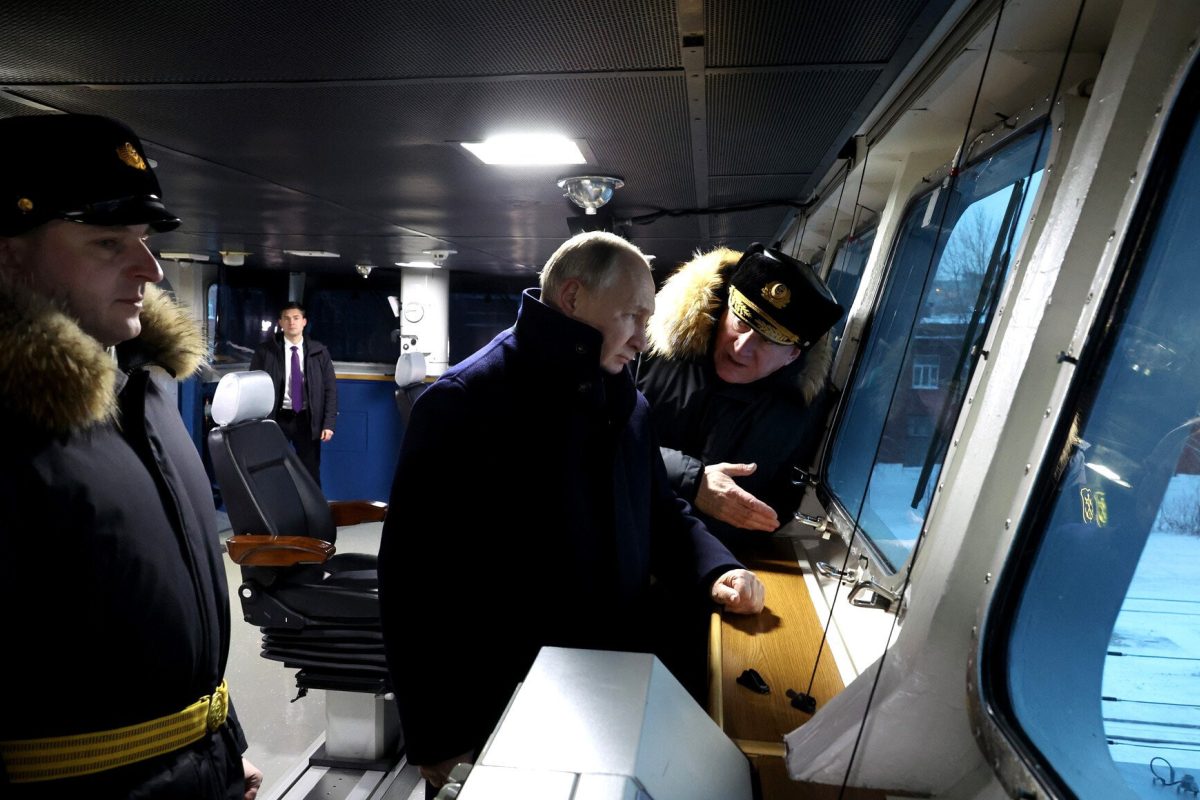
©picture alliance / Russian Look | Kremlin Pool - illustrative image of Vladimir Putin on a ship in 2023.