
 ©picture alliance / dts-Agentur | dts Nachrichtenagentur GmbH
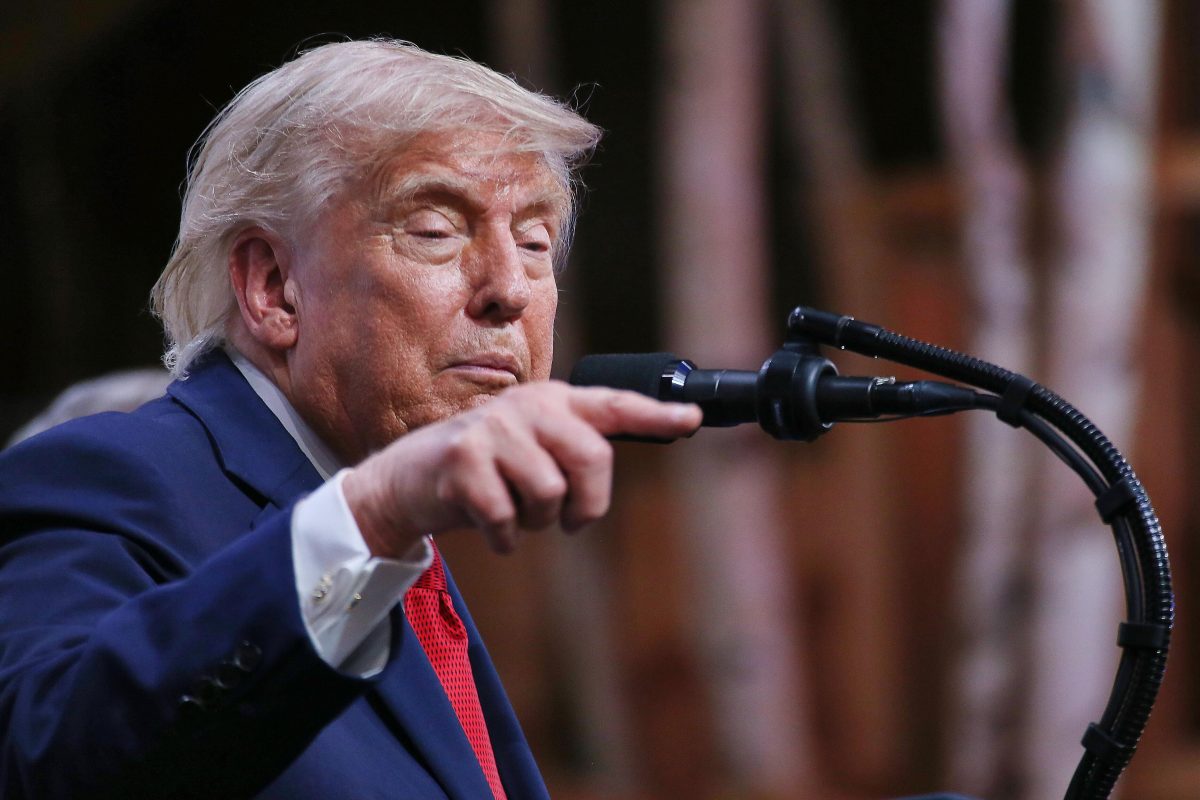
U.S. President Donald Trump signed the preliminary framework agreement with Iran to end the war in the Middle East in Versailles on Wednesday. On the Iranian side, President Massoud Pezeshkian signed the agreement. Trump, however, reacted fiercely to criticism from various U.S. media outlets regarding the agreement, which they claimed would be very favorable to Iran.
“Those who think I wasn’t tough enough on Iran, even as the stock markets hit a HISTORIC RECORD and gas prices are plummeting, are either jealous, bad people, or stupid,” Trump wrote on his own platform, Truth Social.
What does the agreement say?
The so-called memorandum of understanding contains crucial provisions. The Strait of Hormuz will be reopened, and all conflicts in the region will be ended, including those in Lebanon. The U.S. will lift sanctions and establish a fund of at least $300 billion for the reconstruction of Iran. U.S. troops will be withdrawn from the region, and all of Iran’s frozen assets will be released.
However, the easing of sanctions is linked to the reduction of Iran’s nuclear capabilities. Iran reiterates in the memorandum that it will never produce nuclear weapons, but the question of what to do with the enriched uranium is left open. It merely states that this will be “adequately addressed” in a final agreement.
In exchange for these U.S. concessions, Iran will reopen the Strait of Hormuz to shipping. But nowhere does it state that passage will be free and unrestricted as it was before the war.
Criticism of the agreement is growing
The American media is reacting very harshly to Trump. Even Fox News— despite being Trump’s favorite network—argues that the framework agreement offers Iran “enormous financial benefits” without requiring the dismantling of its nuclear infrastructure in return. According to the Wall Street Journal, Trump is conceding more than he is gaining.
The memorandum is not a final peace agreement, but merely a commitment to cease hostilities and negotiate a final deal. A maximum of 60 days is set aside for this, and the period is extendable by mutual consent.
Iran emerges stronger from the conflict
The American think tank Institute for the Study of War concludes that Iran will emerge “stronger from the conflict on a strategic level” if the text is authentic. Pakistani Prime Minister Shebaz Sharif reports that the agreement takes effect “immediately.”
Negotiations on Friday in Switzerland
Switzerland confirms that the first negotiations on the implementation of the provisional agreement will take place on Friday at the luxury resort of Bürgenstock in Switzerland. Representatives from Iran, the U.S., and the mediating countries Pakistan and Qatar will be present. The Swiss Ministry of Foreign Affairs declined to comment on the content or timing of the talks.
©picture alliance / dts-Agentur | dts Nachrichtenagentur GmbH