Woman (67) died in attack by herd of cows in Austria
A couple of hikers were attacked by a herd of cows on a mountain meadow in eastern Tyrol.


A couple of hikers were attacked by a herd of cows on a mountain meadow in eastern Tyrol.
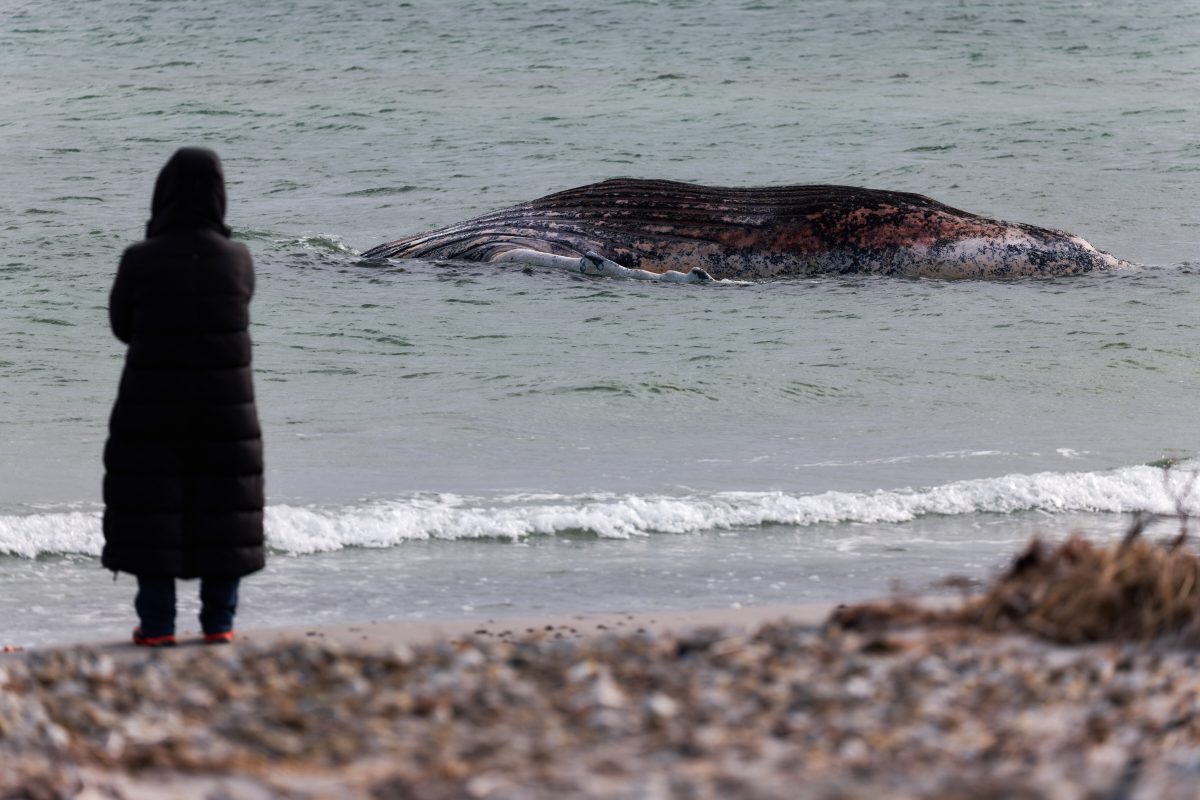
In recent weeks, humpback whale Timmy became a household name against his will. Daily updates about his situation and where he was were coming in. Unfortunately, a protracted rescue operation was unsuccessful. The Danish Environmental Protection Agency confirmed Wednesday that the dead specimen that washed ashore on Tuesday off the coast of the Danish island of Anholt is indeed the hotly debated Timmy.
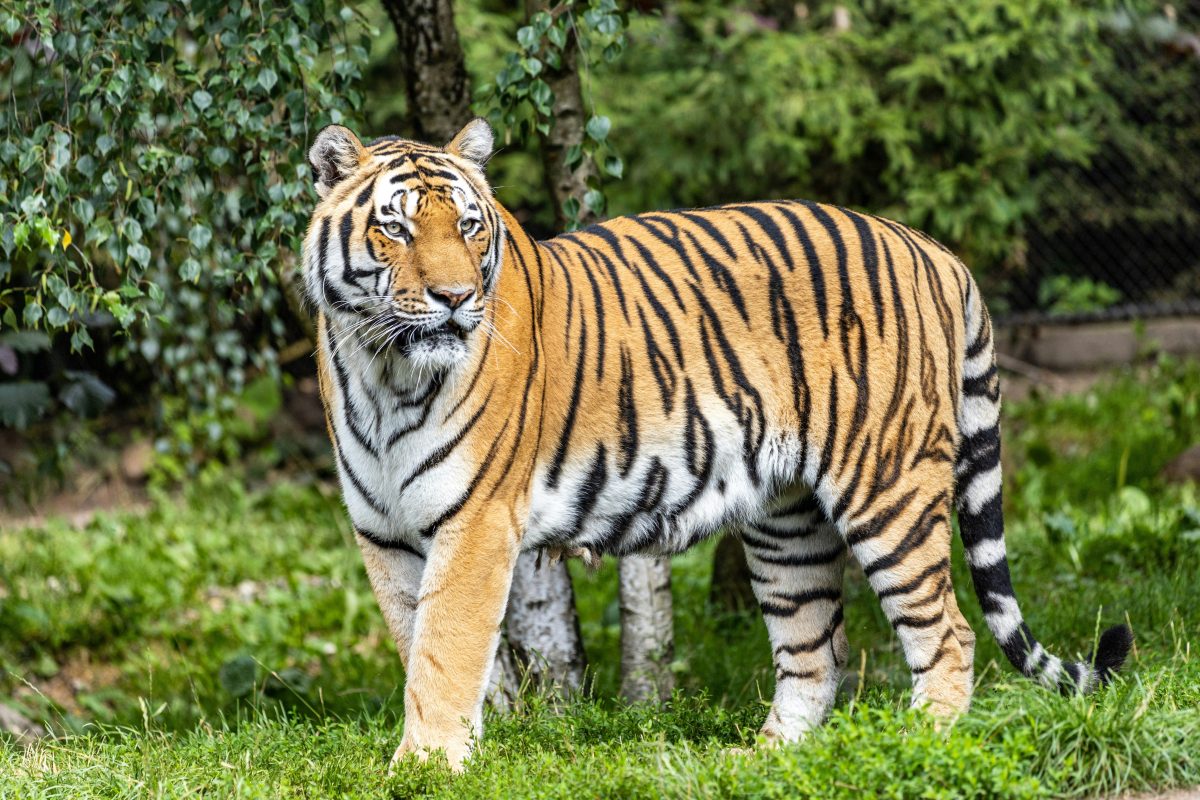
"There is no longer a danger to the population," police reported via the German newspaper Bild. Indeed, an adult tiger had escaped in Schkeuditz, Germany, northwest of Leipzig. Police were called and officers shot the animal dead.

Marineland management reports that it has a possible solution for the transfer of two orcas and 12 dolphins still in the closed zoo. Europe's largest dolphinarium had to close its doors in January 2025. But since then, the animals there have been swimming in circles, trapped in their tiny enclosures and the administrative and political tangle.
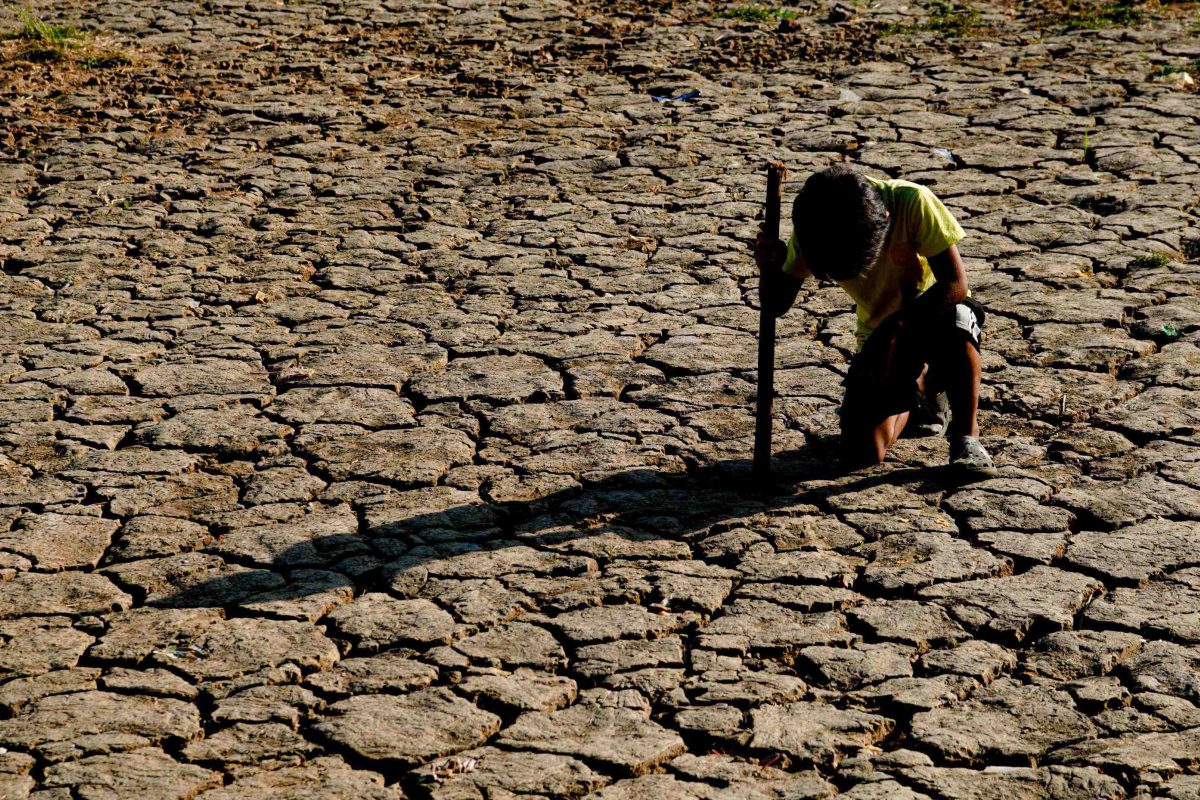
The U.S. weather service NOAA estimates a whopping 82 percent chance that El Niño will develop between May and July.

All passengers and crew were able to leave the Dutch cruise ship MV Hondius in the port of Granadilla in Tenerife in a controlled manner and after a health check. The ship was en route from Argentina to Cape Verde when several people on board fell ill.

The US Centers for Disease Control and Prevention (CDC) reports that norovirus has broken out on a cruise ship touring the Caribbean. More than 100 passengers and 10 crew members have already been felled by the contagious stomach flu.
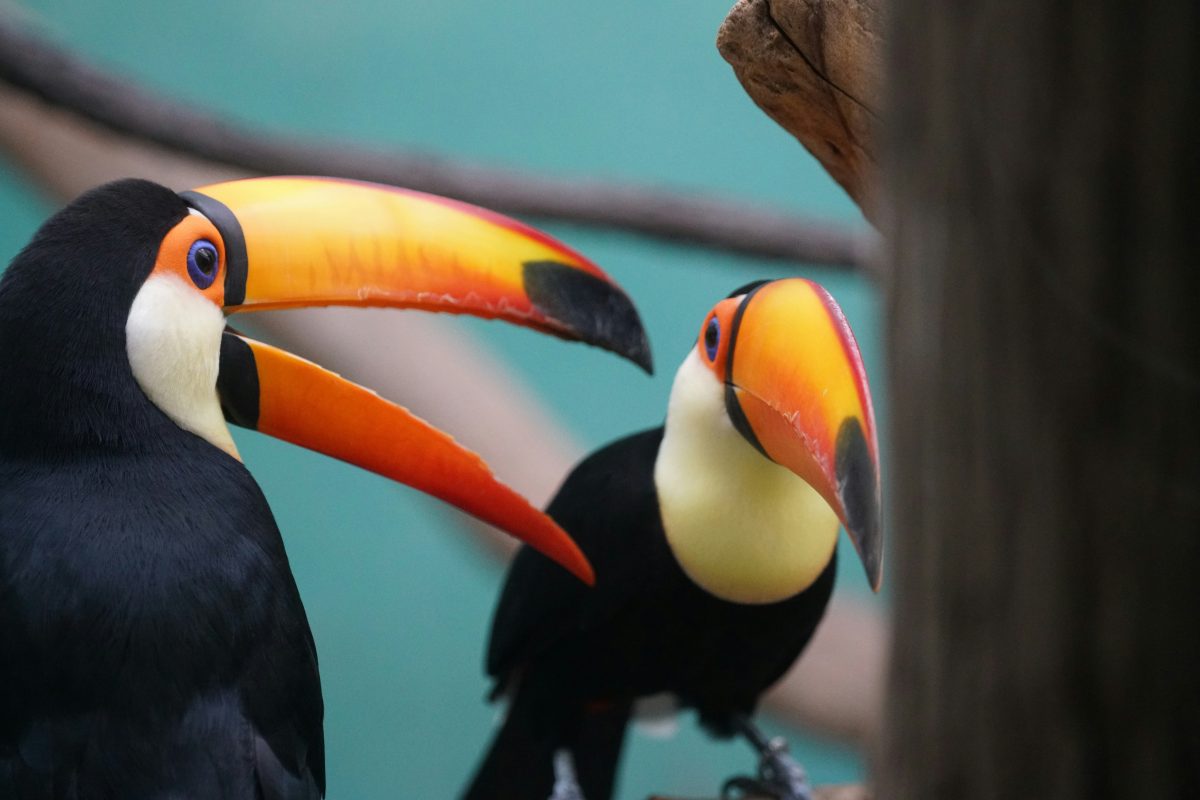
In 2025, 14 keel-billed toucans were discovered hidden inside the dashboard of a vehicle at the Otay Mesa border crossing in California.

Several environmental associations have uncovered a letter from the European Commission that is said to reject Bill 1552 carried by Minister Lollobrigida, currently under discussion in the Senate.

A group of 20 hikers went missing on Friday morning when the Dukono volcano in the province of North Moluccas on the Indonesian island of Halmahera suddenly erupted.